
The Heavy Bow
What my arm decided before I did.

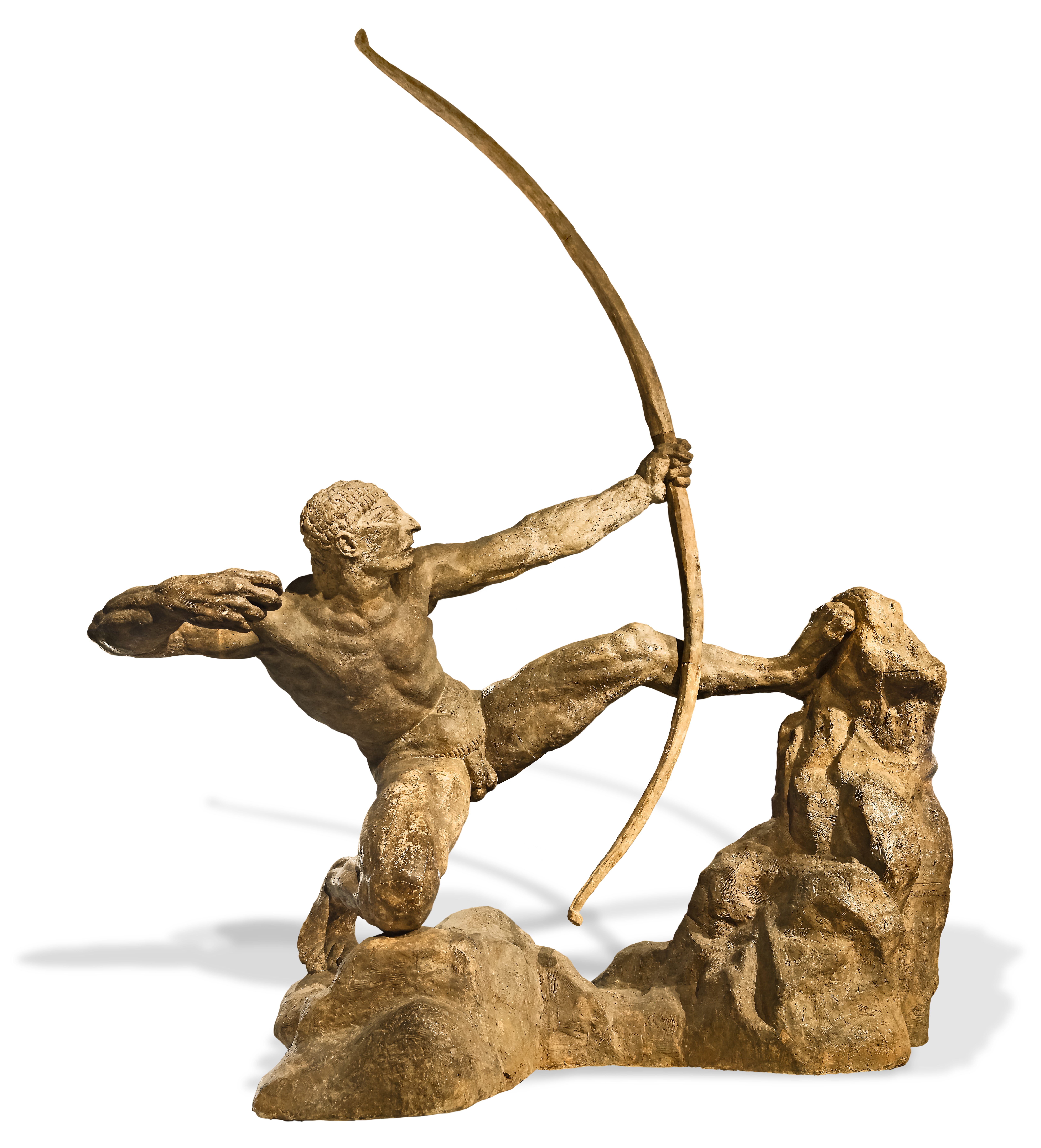
The tailgate drops with a metallic bang and stops short. My two favorite bows are still strapped into the rig I built to keep them from sliding around the bed. I drag the quiver out of its tube and set it on the tailgate. The cicadas are going hard in the fields on every side of me, and they sound like exactly what I feel, that high, dry, building hum.
The air is hot and stiff. The grass around the range is the kind of dry that worries me, brittle and pale, leaning in the oven breeze. I jog up to the cab and reach through the window to kill the engine, because it’s dry enough out here that the exhaust could put a flame in the patchy grass, and the guys at the department would never let me live it down: bringing the brush rig out to my own range to put out a fire I started. I crack a bottle of water and splash it over the few clumps of grass near the tailpipe.
I work my right hand into the three-finger glove. The leather is still cool from the air-conditioned cab, and that cool is gone in seconds out here. Calm now, I walk back to the bed and lift out the seventy-five-pound hunting recurve in my left hand. With the gloved right I pull an arrow from the quiver, now on my hip, and check the tip in my peripheral vision: practice point, not a broadhead. Before anything else I look past the target to the hay bales stacked a few feet behind it, high enough, wide enough, thick enough to stop what this bow throws.
Bow up. Left arm straightening out toward the target as I square my body side-on, chest turning away toward the truck. My right fingers feel the nock snap onto the string. A small twist of the wrist settles the arrow onto the shelf. My left index finger rests against the shaft, barely touching it.
I draw. Knuckle to the corner of my mouth, and I’m already looking at one spot, not the target, not even a ring, a single sun-bleached fleck on the paper the size of a grain of rice. Loose. The string slaps my bracer and the arrow’s gone before I can think about it. My draw hand stops at my jawbone. Thump into the bale, low and left of the fleck but on the face. Aim small, miss small. I didn’t have time to aim big.
Four more.
Draw, fleck, loose.
Draw, fleck, loose.
Draw, fleck, loose.
Draw, fleck, loose.
Fast and committed every time, no aiming, just the same consistent motions. By the fifth my draw arm is starting to go, that deep tremor in the back that means the next shot won’t be honest. Five is what I get out of the seventy-five. I always know it’s coming and it always comes sooner than I want. My body has called the shot. I want to push myself a little further, but I know the best thing for my practice is to listen to my body.
I rack the heavy bow and lift out the other one, my thirty-five-pound practice recurve, the bow I learned on, the bow I’ll still be shooting when the seventy-five is too much for the day. It comes up like nothing. After the hunting bow it feels like drawing a toy.
I like the lighter bow. It gives me time to draw, have a breath and contemplate my shot a bit, observe the wind downrange and the speck on the paper, and loose the arrow. It gives me just enough space to calculate the shot, not as much space as my compound bow. But my mind enjoys the recurve bow’s ritual, the instinct shooting.
The seventy-five is how I aim when nobody’s watching. It’s all reach, the heaviest thing I can draw, thrown the farthest, at the smallest point I can find. The bow won’t let me sit and declare where the arrow’s going; it just goes, and the bale finds out when the arrow arrives. That’s how I keep my real ambitions, oversized, loosed without telling anyone the spot I picked. Aim at a grain of rice on a bad day and you’ll still catch paper. Aim at the whole target and you can miss the whole target. Aim small, miss small. Aim big, miss big.
But I can’t promise people the seventy-five-pound shot. I can’t sit at full draw on a bow that’s already shaking and tell the room exactly where the arrow will land. The honest promise is the light bow, the one I can hold steady, the one I can aim, the modest shot I can actually stand behind. So that’s what I say out loud: the bale, the broad sure thing, the number I know I can place. And then I let the arrow land tighter than I said it would.
What gets me is that I didn’t choose the switch. My arm chose it. Five shots and the body says you can’t hold the heavy one honestly anymore, drop to the bow you can. That’s the same lesson, just earlier in my life and more painful. Every promise I ever overdrew, the ones where I told someone the galaxy and swore I’d hold the heavy shot, fell apart in the tremor, low and wide and embarrassing. The discipline of promising the light-bow shot isn’t wisdom I reasoned my way into. It’s the thing my own limits forced on me, the same way fatigue forces my hand on the range.
It’s not a small thing in my line of work, the difference between what you say will hold and what holds. I spend my shifts around it. When I tell someone it’s out, it had better be out; when I say the line will hold, people stand where I put them. You learn fast that the loud promise and the one that actually holds are not the same promise, and that the job is to make them the same. Out here it’s only paper and hay. But it’s the same muscle.
I draw the thirty-five to anchor and let it sit. The cicadas, the dry grass, the cooling glove, the fleck on the paper.
And I let go.